이번 글에서는 영화 《기생충》에서 장남 김기우의 대사에 등장하는 세가지 어휘인 ‘기사’, ‘기사 식당’, ‘하필’의 정확한 의미와 뉘앙스를 알아봅니다.
In this post, we’ll explore the exact meanings and nuances of the Korean words and expressions ‘gisa’ (기사), ‘gisa sikdang’ (기사 식당), and ‘hapil’ (하필), which appear in the lines of Kim Ki-woo, the eldest son in the film Parasite.
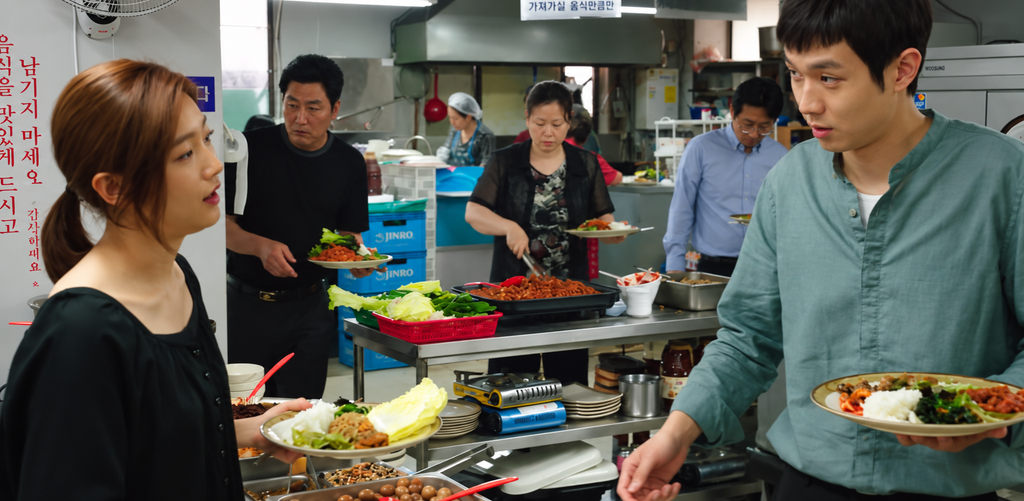
대사 속 장면 배경 | Scene Context (Video)
기우와 기정이 박 사장의 집에 과외 선생님으로 취업에 성공한 뒤, 기택의 가족은 기사식당에서 식사를 합니다.
가족은 기택을 기사로 취직시키기 위해 박 사장의 기존
운전기사
운전기사 (運轉技士)
driver · chauffeur
뜻
자동차를 운전하는 일을 직업으로 하는 사람을 말합니다.
알아두기
‘운전기사’에서 ‘기사(技士)’는 운전을 직업으로 하는 사람을 뜻합니다.
In English
‘운전기사’ refers to a person whose job is to drive a vehicle.
Depending on the situation, it can mean ‘driver’ or ‘chauffeur’.
를 내보내기 위한 계획을 말합니다.
그리고 기우가 이때 뜻밖의 상황을 깨닫고 말합니다.
“와, 여기 진짜 상징적이다. 아버지, 우리가 기사 식당에서 밥을 먹고 있네요. 하필이면?”
After Ki-woo and Ki-jung successfully get jobs as tutors at Mr. Park’s house, Ki-taek’s family has a meal together at a drivers’ restaurant.
Ki-jung explains her plan to get Ki-taek hired as a driver by getting Mr. Park’s current driver fired.
Ki-woo then realizes the striking coincidence of the situation and says:
“Wow, this is really symbolic. Dad, we’re eating at a drivers’ restaurant. Of all places, right?”
핵심 어휘 심층 분석 | Vocabulary Breakdown
1. ‘하필’의 의미와 어원
‘하필’은 ‘하(何)’는 ‘어찌 하’로, ‘어찌’, ‘왜’라는 뜻을 가지고 있습니다. ‘필(必)’은 ‘반드시 필’로, ‘반드시’, ‘꼭’이라는 뜻을 가지고 있습니다.
何(어찌 하) + 必(반드시 필) → ‘하필(何必)’
따라서 ‘하필’을 글자 그대로 풀어보면 ‘어찌하여 꼭’, ‘왜 꼭’이라는 의미가 됩니다.
‘하필’은 긍정적인 상황과 부정적인 상황에 모두 사용할 수 있습니다. 여러 가능성 중 ‘왜 꼭 이것인가’라는 우연이나 특별한 일치를 나타내며, 상황과 말하는 사람의 억양에 따라 짜증, 아쉬움, 놀라움, 반가움, 설렘 등 그 느낌이 달라질 수 있습니다.
예를 들어,
하필 오늘 비가 온다.
→ 많고 많은 날 중 공교롭게 오늘 비가 온다.
‘하필이면’의 형태로도 사용합니다.
여기서 ‘이면’은 ‘이다’에 조건을 나타내는 ‘-면’이
결합한
결합하다 (結合하다)
to combine · to join
뜻
둘 이상의 것이 서로 합쳐지는 것을 말합니다.
In English
To combine or join two or more things together.
형태입니다. ‘하필이면’에서는 ‘하필’의 뜻을
강조해
강조하다 (強調하다)
to emphasize · to stress
뜻
어떤 내용이나 의미를 더 두드러지게 나타내는 것을 말합니다.
In English
To make a particular meaning or point more noticeable or important.
‘다른 것도 많은데 왜 꼭 그것인가’라는 느낌을 더 강하게 전달하는 역할을 합니다.
하필 → 하필이면
예를 들어,
왜 하필이면 나야?
→ 다른 사람도 많은데 왜 꼭 나야?
1. Meaning and Etymology of ‘하필’
‘하필’ comes from the Chinese characters ‘하(何)’ and ‘필(必)’. ‘하(何)’ means ‘how’ or ‘why’, while ‘필(必)’ means ‘necessarily’ or ‘must’.
何 (how/why) + 必 (necessarily/must) → ‘하필(何必)’
Taken literally, ‘하필’ means ‘why must it be’ or ‘why this particular one?’
‘하필’ can be used in both positive and negative situations. It highlights a particular coincidence among many possibilities, and depending on the situation and the speaker’s tone, it can express different feelings such as annoyance, disappointment, surprise, delight, or excitement.
For example,
하필 오늘 비가 온다.
→ Of all days, it happens to rain today.
‘하필’ is also commonly used in the form ‘하필이면’.
Here, ‘이면’ is formed by combining ‘이다’ with ‘-면’, which expresses a condition. In ‘하필이면’, it emphasizes the meaning of ‘하필’ and more strongly conveys the nuance of ‘why this particular one when there are so many others?’
하필 → 하필이면
For example,
왜 하필이면 나야?
→ Why does it have to be me, of all people?
2. 일상 회화에서의 쓰임 | Everyday Conversational Use
하필 오늘 비가 오네.
→ It just had to rain today.
하필 오늘이야?
→ Why does it have to be today?
많고 많은 사람 중에 왜 하필 나야?
→ Of all people, why does it have to be me?
대충 입고 외출했는데 하필 전 남자친구를 마주쳤어.
→ I went out dressed casually, and of all people, I ran into my ex.
하필 이게 뽑히냐.
→ Of all things, why did this have to get picked?
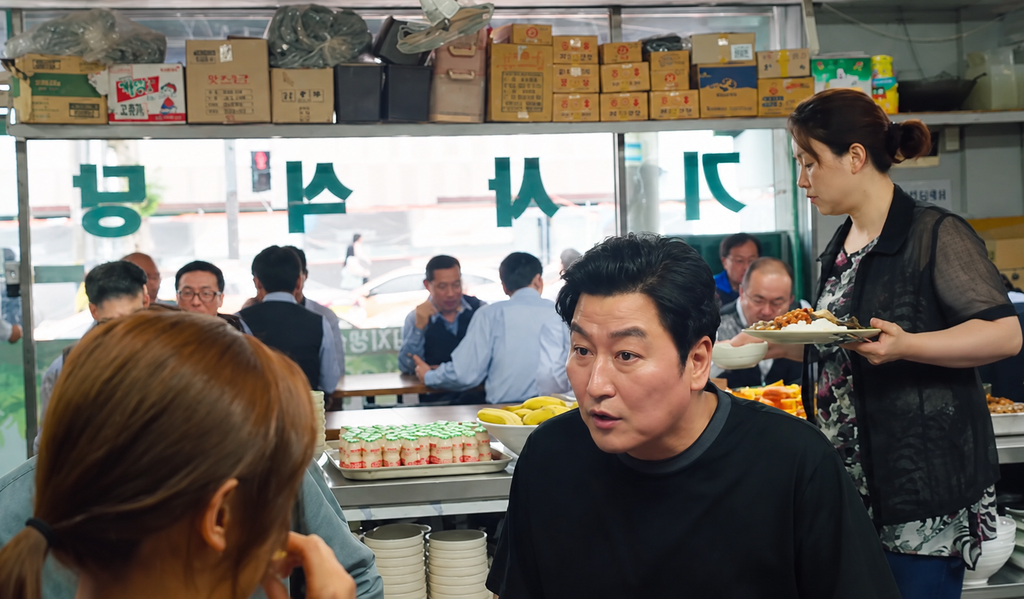
‘기사식당’은 언제부터 생겼을까?
‘기사식당’은 저렴하고, 양이 많아서 요즘은 일반 손님들도 많이 찾는 식당이지만, 원래는 택시 기사와 같은 운전기사들이 운행 중 빠르고 든든하게 식사할 수 있도록 생겨난 식당입니다. 그래서 주차하기 편한 곳이나 도로변에 자리 잡은 경우가 많습니다. 1970년대 초부터 본격적으로 등장했으며, 처음에는 ‘운전사 식당’이라고 불리다가 이후 ‘기사식당’으로 불리고 있습니다.
하루 종일 여러 지역을 돌아다니는 기사들이 맛있는 식당을 잘 안다는 인식도 생기면서, 기사들이 많이 찾는 식당은 일반 손님들에게도 ‘맛있고 가성비 좋은 집’으로 알려지고 있습니다. 그래서 요즘 택시를 탄 뒤 “기사님이 아는 맛집으로 데려다주세요”라고 부탁하는 유튜브 콘텐츠를 많이 볼 수 있습니다.
When Did ‘기사식당’ (Drivers’ Restaurants) First Appear?
Today, ‘기사식당’ are popular with the general public because they are known for affordable prices and generous portions. Originally, however, they were created for professional drivers, such as taxi drivers, who needed a quick and filling meal while working. For this reason, many of these restaurants are located along major roads or in places with convenient parking.
Drivers’ restaurants began to appear in earnest in the early 1970s. At first, they were called ‘운전사 식당’ (driver restaurants), but later came to be known as ‘기사식당’.
Because drivers spend their days traveling around different areas, they also developed a reputation for knowing where to find good food. As a result, restaurants popular with drivers often became known among the general public as places that offer tasty food at good prices.
This idea still exists today. On YouTube, you can often find videos in which people get into a taxi and ask the driver, “Please take me to a good restaurant you know,” and then visit the restaurant recommended by the driver.
기우의 대사로 알 수 있는 ‘하필’의 의미
‘기사식당’에서 밥을 먹으면서 기택을 ‘기사’로 취직시키려는 계획을 말하고 있는 이 절묘한 상황을 알아차린 기우는 ‘하필’이라는 표현을 사용합니다.
이 상황에서는 부정적인 의미가 아니라 긍정적인 의미로 사용된 것으로 이해하면 됩니다.
‘하필’을 사용함으로써 ‘꼭 진짜로 기택이 박 사장의 운전기사가 될 것만 같다’는 기우의 내적 심리를 보여줍니다.
그리고 이러한 모습은 진짜로 기택이 취직하는데 성공하는 영화의 복선을 보여주는 장면이기도 합니다.
What ‘하필’ Means in Ki-woo’s Line
While eating at a ‘기사식당’ (drivers’ restaurant), Ki-woo realizes the striking coincidence that his family is discussing a plan to get Ki-taek hired as a ‘기사’ (driver). He uses the expression ‘하필’ to point out this coincidence.
In this situation, you can understand it as being used in a positive sense rather than a negative sense.
By using ‘하필’, Ki-woo reveals his excitement and inner feeling that Ki-taek might actually end up becoming Mr. Park’s driver.
This moment can also be interpreted as foreshadowing what happens later in the film, when Ki-taek actually succeeds in getting the job as Mr. Park’s driver.